


New methods needed for preclinical tests, scientists say
"Research and development effort is often wasted because of the poor reliability of animal-based methods."
FRAME - the Fund for the Replacement of Animals in Medical Experiments - is calling for more collaboration between organisations, government and the pharmaceutical industry following a new investigation of preclinical drug trials.
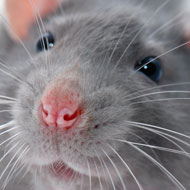
Scientific papers covering more than 2,300 substances that were tested on rats, mice and rabbits were analysed to measure the likelihood that chemicals showing no adverse reactions in trials using laboratory animals would behave the same way in humans.
The results, says director of FRAME Alternatives Laboratory Dr Andrew Bennett, suggest large numbers of compounds that are functional in animals show little potency in humans, while others that show no adverse reactions in animals later prove harmful in human trials.
Dr Bennett says the paper, published in FRAME's scientific journal ATLA, highlights the need for more relevant non-animal tests but he believes they can only be found if all those involved work together to look for them.
"Toxicity data from animal studies can be seriously misleading but it is no good just saying that animal tests don't work - we have to find methods that can identify potential risks and benefits. There are major issues for companies in the pharmaceutical sector. Research and development effort is often wasted because of the poor reliability of animal-based methods. If we are to find useful, safe drugs in the future it is vital that all interested parties work together to find valid, non-animal methods that will identify them."
Preclinical tests require the use of two species, usually one rodent (rat or mouse) and one non-rodent (often dogs) before drugs enter clinical trials in humans. The second species is intended to identify those substances harmful to humans that were missed by the rodent tests.
This latest study was carried out by the same team who investigated the use of dogs in human drugs tests last year, that concluded that animal results are inconsistent. The latest statistical analysis of results from rats, mice and rabbits supported those findings, although it is in part to be expected as drugs now being developed are increasingly aimed at specific human cell responses.
FRAME was established in 1969 to promote the concept of alternatives to laboratory animal use in medical research and toxicity testing. The charity is dedicated to developing and validating alternative methods, and working actively with all interested parties.


 Companies marketing medicines for small pets exempt from authorisation must submit their annual return to the Veterinary Medicines Directorate (VMD) by 30 November 2026.



