


Early treatment may not cure HIV
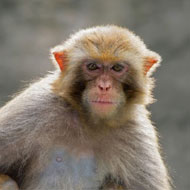
SIV re-emerged in all of the monkeys when treatment stopped after six months.
Early treatment may not be enough to cure HIV according to new research described as “sobering” by scientists.
According to research published online in the journal Nature, the most important barrier to finding a cure for HIV is the viral reservoir, where it can lie dormant for many years, invulnerable to drugs.
In a study carried out on rhesus monkeys, US researchers found that this viral reservoir was established surprisingly early after intrarectal infection with simian immunodeficiency virus (SIV), and before it became detectable in the blood.
“The viral reservoir was seeded substantially earlier after infection than was previously recognized,” explained Dan Barouch, senior author and professor of medicine at Harvard Medical School.
“We found that the reservoir was established in tissues during the first few days of infection, before the virus was even detected in the blood.”
Groups of monkeys were given antiretroviral therapy (ART) on days three, seven, 10 or 14, after infection with SIV. Animals treated on day three showed no evidence of SIV in the bloodstream and did not display any SIV-specific immune responses.
However, after six months of ART, all monkeys showed viral resurgence after treatment was stopped.
While there was a delay in the amount of time it took for virus replication to be seen in the blood of animals treated after three days compared to those treated on day seven, 10 or 14, scientists say further strategies will be needed to cure HIV.
The findings are a blow to hopes that early treatment may offer a cure for HIV. This follows recent news that HIV has re-emerged in the “Mississippi baby” - who was previously thought to have been cured through early treatment with ART.
“The unfortunate news of the virus rebounding in this child further emphasizes the need to understand the early and refractory viral reservoir that is established very quickly following HIV infection in humans,” said Professor Barouch.
Authors of the research wrote that their findings “present new challenges to HIV-1 eradication efforts.”
“Our data suggest that extremely early initiation of ART, extended ART duration and probably additional interventions that activate the viral reservoir will be required for HIV-1 eradication.”


 Companies marketing medicines for small pets exempt from authorisation must submit their annual return to the Veterinary Medicines Directorate (VMD) by 30 November 2026.



