


Public urged to support pollinators
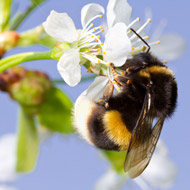
There are at least 1500 species of insect pollinators in the UK
Defra is promoting five simple actions to help pollinators, such as planting more bee-friendly flowers and cutting grass less often, to protect the vital contribution these insects make to our economy.
The five actions form part of a call-to-action launched by environment minister Lord de Mauley last week at a conference organised by Plantlife, the Rare Breeds Survival Trust and The Wildlife Trusts, to encourage people to do their bit to help insects such as bees and butterflies.
Lord Mauley said: "Pollinators such as bees are vital to the environment and the economy and I want to make sure that we do all we can to safeguard them. That's why we're encouraging everyone to take a few simple actions and play their part in helping protect our bees and butterflies."
Pollinators provide variety in our diets and some crops, like raspberries, apples and pears, particularly need insect pollination to produce good yields of high quality fruit.
Whether people live in a town or in the countryside, they are being urged to help create or improve a habitat for pollinators in the following ways:
1. Grow more nectar and pollen-rich flowers, shrubs and trees.
2. Leave patches of land to grow wild
3. Cut grass less often
4. Avoid disturbing or destroying nesting or hibernating insects
5. Think carefully about whether house pesticides
The actions were drawn up with experts from Natural England, the Food and Environment Research Agency, conservation charities and the research community.
There are at least 1500 species of insect pollinators in the UK. This includes 26 species of bumble bee, 260 solitary bees, 1 honey bee species and hundreds of types of overflies, butterflies and moths.
Defra will be publishing a national strategy for pollinators in the Autumn, following a public consultation earlier this year.


 Companies marketing medicines for small pets exempt from authorisation must submit their annual return to the Veterinary Medicines Directorate (VMD) by 30 November 2026.



