


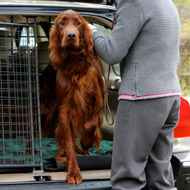
Warning comes as the Met Office declares a level two heat-health alert
The UK's largest dog welfare organisation, The Kennel Club, is reminding dog owners about the dangers of leaving their pets in cars during the hot weather, and has issued a set of simple tips to keep dogs safe in the heat.
Caroline Kisko, Kennel Club secretary, said: “Every year the Kennel Club hears of dogs being literally cooked to death inside hot cars, and the chance of this happening increases dramatically during a heatwave.
“In common with many animals, dogs are extremely sensitive to heat, more so than humans, and even on a mildly warm day they can quickly overheat, even with the car windows open and water available, as temperatures can rapidly heat up to around 50 degrees Celsius. This is accelerated significantly on scorching hot days."
The organisation has issued the following advice to keep dogs safe during the heatwave:
- Always provide access to fresh, cool water and shade, preferably in a well-ventilated area
- Don’t expose your dogs to unnecessary heat – consider walking them early in the morning or later in the evening to avoid the hottest parts of the day and take cool water with you on your walk. Also be aware that high humidity can equally cause risk to a dog’s health
- Plan your days carefully and never leave a dog unattended in a car or tied up outside
- Never let your dog take part in unnecessary exertion in hot or humid weather, or stand in exposed sunlight for extended lengths of time
- Be aware of the signs of overheating in dogs, which include panting, disorientation, excessive thirst, dark gums, vomiting, diarrhoea and losing consciousness
- Never pass by a dog if you see one suffering in a car. Whether it be in a supermarket car park or at the pub, make sure you let someone in authority know and if in doubt call the police on 101 or the RSPCA on 0300 1234 999
If your dog does overheat, The Kennel Club recommends that you move your dog out of the heat and contact a vet immediately. If possible, fan the dog with cold air and offer it cool, rather than cold water for small drinks. Owners can also cool the dog's tongue by dabbing with a cold, damp cloth.
Images courtesy of The Kennel Club/H Hudson & KC Picture Library/Andy Biggar


 Companies marketing medicines for small pets exempt from authorisation must submit their annual return to the Veterinary Medicines Directorate (VMD) by 30 November 2026.



