


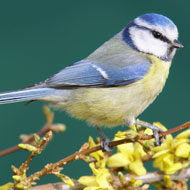
Two UK organisations have conducted research into bird nutrition
The Royal Zoological Society of Scotland (RZSS) has teamed up with Haith’s, one of Europe's leading bird food specialists, to conduct a pioneering research programme into bird nutrition.
They have made significant developments that will change the way that birds are fed in the UK, by enabling correct identification of the oil, fibre, protein and mineral level compositions of bird food, which is not currently listed on packs.
The first results of this unique collaboration were launched formally at the British and Irish Association of Zoos and Aquariums (BIAZA) AGM at Yorkshire Wildlife Park on Wednesday June 12. The development of a zoo nutrition database is of great significance to bird owners, as it will allow them to make more confident and informed choices, and consequently reduce the cost of mixers.
Simon King, associate director of Haith’s, said: “We believe it is important to challenge the old-fashioned endorsement that diets must work because [the birds] breed every year and this project redefines and strengthens what we already know about diets for seed eating birds. Our findings are now going to allow the generation of bird diets based on science.”
Andy Beer, a nutritionist for the RZSS, explains how the progress will benefit the work of both collaborative organisations: “Edinburgh Zoo’s bird collection will benefit because there is limited knowledge of the precise nutritional value of the individual components of blended seed diets and predicting nutrient intake accurately remains elusive for such diets. Haith’s will also use the information to benefit wild (free-living) birds."


 Companies marketing medicines for small pets exempt from authorisation must submit their annual return to the Veterinary Medicines Directorate (VMD) by 30 November 2026.



