


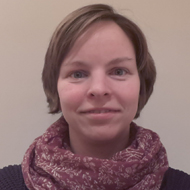
RCVS Council candidate hopes to represent vets with young families
Camilla Edwards stands for election to the RCVS Council with the hope of representing new veterinary surgeons and young parents.
In her manifesto she says "more flexibility" is needed to ensure the profession does not lose good vets who take a career break to start a family or look after dependents.
Camilla, who graduated in 2006 in Copenhagen, Denmark, has a strong interest in evidence based veterinary medicine. Improving our evidence base needs to come in part "from promoting research opportunities amongst first opinion practitioners," she says.
In addition to this, Camilla also feels "transparency and communication" between the RCVS and the profession "needs to keep improving".
Votes must be cast by April 25, either online or using the ballot papers posted by the RCVS. The six elected council members will take their seats in July.
1. Why did you decide to stand for election?
I decided to stand for the RCVS elections as I feel that my views are under-represented on the council. I felt in particular that the Disciplinary Committee (DC) decision last year against Mr Chikosi showed how out of touch the RCVS is with what happens at the coal face.
2. What are you hoping to achieve if you are elected to the council?
I hope to ensure that the view of the young assistant veterinary surgeon is represented in any decisions made by council.
3. What changes would you like to see in the profession?
I would like to see decisions by the Preliminary Investigation Committee (PIC) and DC made in a more timely and fair manner, I would like to see communication with the RCVS and the profession improved and I want to see research in first opinion practice encouraged.
4. Where do you see the college in five years?
I want to see a more flexible college, responding quickly to relevant issues in the profession, communicating well, and making veterinary surgeons at the coal face feel confident that they can do their job well without threat of disciplinary action.
5. Why should our members vote for you?
A vote for me is a vote for improved representation of new veterinary surgeons and young parents; for evidence-based veterinary practice, and for interactive and improved communication about the profession’s concerns.
6. How can the college connect better with the veterinary profession?
The college can connect better with the veterinary profession through social media and veterinary forums.


 Veterinary practices are being urged to help owners safely dispose of any unused and expired pet medicines - not just antibiotics - during November's Animal Medicines Amnesty.



