


Boosting knowledge of medicine use in food production
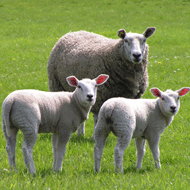
A film aimed at the food industry helps to raise awareness of the concerns consumers have.
The food industry and consumers can learn more about issues surrounding the use of animal medicines with the release of two new films by the National Office of Animal Health (NOAH).
Both films have been produced following a NOAH survey, which drew attention to gaps in consumers' knowledge of the ways in which medicines are used in farm production.
While the public was generally supportive of animal medicine use in farming, NOAH chief executive Phil Sketchley said the survey highlighted some misconceptions.
"It was interesting to discover how much people knew about medicines in food production," he said. "There were some very positive attitudes among consumers, particularly towards the way British farmers care for their animals.
"But there were still some areas of concern, for example with the belief among a large number of people that growth hormones were still being used on UK farms, despite the fact they have been banned since 1988."
A new film, titled "Animal Medicines in Food Production - Challenging the Myths", aims to redress some of the misconceptions held by consumers.
Another film has been produced to help the food industry to understand the concerns consumers have regarding medicine use.
Mr Sketchley said: "The industry film should help people involved in food production understand what consumers are thinking when it comes to animal medicines.
"Animal health and welfare and ensuring sick animals are treated is a big issue, and food producers and retailers need to be able to communicate clearly with consumers on the subject of animal medicines."
Visit Youtube to watch the industry and consumer films.


 Companies marketing medicines for small pets exempt from authorisation must submit their annual return to the Veterinary Medicines Directorate (VMD) by 30 November 2026.



