


China sees soaring number of H7N9 cases
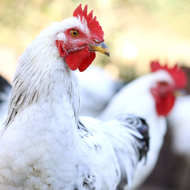
More than 70 human cases of H7N9 have been reported to the World Health Organisation this month.
As the Chinese New Year approaches, the country has seen a sudden upswing in human cases of avian influenza A (H7N9), with 38 cases reported by the World Health Organisation (WHO) this week alone.
The first human case of the virus in China was reported at the end of March 2013 and within just one month, WHO had been notified of 126 confirmed cases, with 24 deaths.
However, just a handful of cases were reported between June and December 2013 after a number of measures were introduced to control the outbreak.
By November 6, 2013, the total number of human cases was confirmed at 139, which includes 45 deaths.
Since the beginning of January, however, more than 70 cases have been reported to the WHO, including five deaths.
New cases include a 31-year-old man from Shanghai City, who became ill on January 11 and died in hospital seven days later.
A 71-year-old woman from Nanjing City, Jiangsu Province, was hospitalised on January 16 and is in a critical condition. The patient is said to have had a history of exposure to poultry.
According to health authorities, the source of the infection remains unknown and is still under investigation. Currently there is said to be no evidence of sustained human-to-human transmission.
WHO does not currently recommend any trade or travel restrictions with regard to this event.


 Veterinary practices are being urged to help owners safely dispose of any unused and expired pet medicines - not just antibiotics - during November's Animal Medicines Amnesty.



