


Study connects dogs’ cancer survival to gut microbiome
Dogs diagnosed with cancer could one day benefit from microbiome-enhanced immunotherapies, according to new research.
Scientists at Oregon State University (OSU) trialled a new cancer vaccine on 51 dogs diagnosed with various malignancies to investigate whether specific gut bacteria were associated with shorter or longer survival times.
Their results, published in the journal Veterinary Oncology, show that survival times varied depending on the composition of each dog’s microbiome — the community of organisms living in their gut.
The study marks the first step toward using the gut microbiome as a tool to develop prognoses and improve treatment outcomes in dogs. Researchers also hope the method could be used to improve outcomes in humans.
Natalia Shulzhenko, associate professor in immunology at OSU, said: “In the future, an analysis of a microbiome swab could help predict how well a dog might respond to a cancer treatment.
“This allows pet owners and vets to make more informed decisions about care. And now that we know certain bacteria are linked to survival, we can explore ways to ‘fix’ a dog's gut microbiome to help the vaccine work better and help the dog live longer.”
The dogs in the study had a range of malignancies, including cancer of the blood vessels and bones.
Scientists first collected rectal swab samples for analysis before administering the vaccine, designed to trigger the immune system to block two proteins that encourage cancer cell growth.
They noted a connection between 11 types of bacteria and survival time. Some were positive indicators, linked to longer survival, while others were associated with shorter survival.
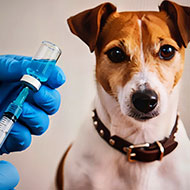
Image (C) Shutterstock/FotoField.


 The Veterinary Medicines Directorate (VMD) is inviting applications from veterinary students to attend a one-week extramural studies (EMS) placement in July 2026.



