


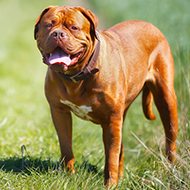
The findings raise welfare concerns about breeding for extreme size.
Giant dog breeds in the UK live substantially shorter lives than the general dog population and experience higher levels of some disorders, according to new research.
The study by the Royal Veterinary College’s (RVC) VetCompass Programme analysed veterinary records from 2.25 million dogs that attended UK primary care practices during 2019. The team found that 8.9 years was the average lifespan of giant dogs, more than three years shorter than the average lifespan for dogs overall in England.
Their findings also reveal that three-quarters of giant dogs (73.8%) had at least one disorder recorded annually, significantly higher than the average for all dog breeds (65.8%).
Among the most common general groups of disorders were skin disorders, musculoskeletal disease and ear disease. Ear infections, overweight or obesity and aggression were the most common specific diseases.
Lead author Professor Dan O’Neill, professor of companion animal epidemiology at the RVC, hopes the findings will prompt wider discussion on the welfare limits of selective breeding towards extreme giantism.
“To protect these cherished breeds and make them sustainable for the future, moving towards more moderate body sizes within these breeds may help to improve both the quality and length of life for these dogs, while still giving owners a fulfilling dog-ownership experience,” he said.
The study, published in Companion Animal Health and Genetics, identified the most common giant dog breeds in the UK as the Dogue de Bordeaux, Alaskan Malamute and Akita.
Female giant dogs were found to live 0.8 years longer on than males (9.3 years compared to 8.5 years), suggesting that acquiring a female could give owners more time with their new dog.
Some giant breeds in the study showed extremely short average lifespans, including Tibetan Mastiffs at just 4.8 years. Cancer was identified as the leading cause of death in giant dogs overall, while Great Danes (60.5kg), Irish Wolfhounds (64.0kg) and Saint Bernards (65.1kg) were the heaviest of the 29 giant breeds recorded.
BSAVA senior vice president, Dr Julian Hoad, said: “BSAVA welcomes this research, which adds to the growing evidence base needed to improve canine health and welfare. The veterinary profession remains concerned about the health consequences associated with extreme conformations and is committed to supporting reforms through research, education and evidence-based breeding practices.”
Image (C) BIGANDT.com/Shutterstock


 Eligible members of BEVA will be able to vote for their Council team until Monday, 17 August 2026. Members will have received an election email on 17 July.



