


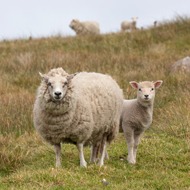
The tool warns vets and farmers when mass hatching is likely to occur.
The latest hatching forecast is now available, helping sheep farmers and veterinarians assess their risk of nematodirosis.
Published by the Sustainable Control of Parasites in Sheep, this free, online tool provides daily updates using data from 140 weather stations across the country.
Farmers and vets can select their nearest most representative weather station and use the coloured symbol warning system to quickly check their risk level. The tool also provides guidance on management actions and treatment options.
Kevin Harrison, SCOPS chair and South Gloucestershire Sheep Farmer, said: “This free online tool has proved to be an invaluable resource for many producers, vets and advisers for a number of years.
“For 2026, we have made some improvements, which we hope will make it even more helpful when deciding if, and when lambs may need a treatment”.
This year, the tool includes a short video to help users navigate the forecast and a link to more detailed information on the webpage. Users are also being encouraged to conduct a risk assessment of their lambs before moving to the forecast for their preferred weather station.
Independent sheep consultant Lesley Stubbings says: “Nematodirus battus, the parasite that causes nematodirosis, can be a tricky call for sheep farmers because it has a different lifecycle to other worms. Eggs overwinter on ground grazed by lambs the previous year and then hatch the following spring once the air temperature exceeds 10°C.
“If this happens, we can see a ‘mass hatch’ and farmers must act quickly to avoid losses in groups of vulnerable lambs. The Hatching Forecast provides a warning of when this is likely to occur, and because this can vary by several weeks between years, the forecast is an essential tool.”
Image (C) Shutterstock/Thetriggerhappydoc


 Companies marketing medicines for small pets exempt from authorisation must submit their annual return to the Veterinary Medicines Directorate (VMD) by 30 November 2026.




