


Vet warns of threat to donkeys from plastic pollution
Donkeys feed at waste sites on Lamu Island.
An increasing number of donkeys are dying as a result of plastic pollution, the lead veterinary surgeon at The Donkey Sanctuary’s clinic on Lamu Island in Kenya has warned.
The team at the clinic are seeing up to five per cent of donkeys presenting with signs of nutritional colic, caused by animals foraging at waste sites for food due to a lack of grass or edible vegetation.
Obadiah Sing'Oei, clinic lead at The Donkey Sanctuary’s clinic in Lamu, explained: “At the dumpsites the donkeys will eat all sorts of things, from plastics to clothes to cartons – everything.
“This brings a lot of issues for donkeys’ health – with the majority of the donkeys suffering from colic, as a result of foraging at the dumpsites. Nutritional colic in donkeys is usually fatal. But we also lose donkeys to poisoning, for example, from residual rat poison, which can find its way to the dumpsites after domestic use.”
There are also concerns about livestock being exposed to plastic pollution on the island, after 35kg of plastic waste was discovered in a cow’s stomach at an abattoir on Lamu.
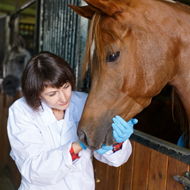
The team at The Donkey Sanctuary’s clinic has been joined by researchers from the Revolution Plastics Institute at the University of Portsmouth to investigate the issue. This has included holding community focus groups with local livestock owners, veterinary surgeons and residents.
The researchers’ initial findings will be published later in the year, but early results suggest that donkeys are at greater risk of death from ingesting plastic than cattle owing to their behaviour and biology.
Emily Haddy, postdoctoral research fellow at the University of Portsmouth, said: “From previous discussions with the community, we know there is growing concern about the links between plastic pollution, ecosystem health, animal welfare and human wellbeing.
“However, the picture is complex, livestock owners often cannot afford to feed their animals and through necessity let their animals loose to graze. The community focus groups have helped us understand more about how these complex issues affect the people and animals involved.”
Image © University of Portsmouth

 The latest



