


Veterinary drugs found effective against bed bugs
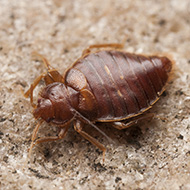
Antiparasitic drugs used in companion animals could combat bed bug resurgence in poulty farms.
A study from North Carolina State University has found that two common veterinary medicines used to combat parasites in companion animals have potential to control resurgent bed bug populations on poultry farms.
As the research team explained, owing to the sensitive nature of the poultry environment, bed bug control options are limited.
Combined with limited level of products labelled for bed bug control, and bed bug populations' resistance to a wide range of active ingredients, this means that alternative options should be investigated.
Researchers tested Fluralaner and Ivermectin, medications used to treat fleas and ticks on companion animals, on bed bugs (Cimex lectularius).
The team tested bed bug mortality rates by topical treatment or ingestion of the medications, and also allowing the bugs to feed on the chickens.
In the lab, both of the medications were efficient, killing most of the bed bugs, but fluralaner was discovered to more significantly more effective on bed bugs that showed resistance to common insecticides.
When trialled in the chickens, fluralaner was found to be highly effective at killing bed bugs, while ivermectin was ineffective against the bed bugs feeding on the dosed chickens.
Corresponding author of a paper describing the work, Professor of Entomology at NC State, explained: “The bed bug is a globally important insect. The last few decades have seen a resurgence of bed bugs in homes, and now we’re seeing bed bugs return to poultry farms.
“Since there is no proven method to stop bed bugs in commercial farms, the potential problems on poultry farms could be massive. We’re trying to get ahead of it by developing technologies that can eliminate bed bugs.”
María González-Morales, former PhD student at NC State and lead author of the paper, said: “The health effects to poultry from bed bug infestation are not well documented, but anecdotally poultry farmers see animal welfare concerns like stress and anemia, which could negatively affect meat or egg production.”
Published in Parasites and Vectors, the full paper is available to read here.


 A nationwide roadshow offering free, personalised parasite risk assessments and flea and tick checks will be visiting popular dog events across the UK.



