


The move comes amid the UK's largest ever outbreak of avian influenza.
The UK's chief veterinary officers have declared an Avian Influenza Prevention Zone (AIPZ) across Great Britain to reduce the risk of the disease spreading amongst poultry and captive birds.
As of midday on Monday (17 October), keepers of poultry and captive birds have been required by law to follow strict biosecurity measures to help protect their flocks from avian influenza.
The Department for Environment, Food and Rural Affairs (Defra) stressed that this does not include a nationwide requirement to house birds, but added this will be kept under constant review.
The move comes after an increase in the number of cases of avian influenza in wild birds and on commercial premises at multiple sites across the UK. Since October 2021, there have been 190 cases confirmed across the nation, making it the UK's largest-ever outbreak, with more than 30 of these confirmed in October alone.
East Anglia has been hit particularly bad by the disease, with outbreaks in in poultry and captive birds. Just last week (10 October), a housing order came into force across Norfolk, Suffolk and parts of Essex, making it a legal requirement for all bird keepers in these hotspots to keep their flocks indoors.
Under the nationwide AIPZ, keepers with more than 500 birds will be required to restrict access for non-essential people on their sites. Workers will also need to change clothing and footwear before entering bird enclosures, and site vehicles will need to be cleaned and disinfected regularly.
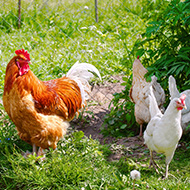
Backyard owners with smaller numbers of poultry, including chickens, ducks and geese, must also take action to limit the risk of the disease spreading to their animals.
A joint statement released by the Chief Veterinary Officers for England, Scotland and Wales, reads: “Bird keepers have faced the largest ever outbreak of avian flu this year and with winter brings an even more increased risk to flocks as migratory birds return to the United Kingdom.
“Scrupulous biosecurity and hygiene measures is the best form of defence, which is why we have declared an Avian Influenza Prevention Zone (AIPZ) across Great Britain, meaning that all bird keepers must take action to help prevent the disease spreading to more poultry and other domestic birds.
“The introduction of an AIPZ means regardless of whether you keep a few birds or thousands, you are legally required to meet enhanced biosecurity requirements to protect your birds from this highly infectious disease.”
The introduction of a nationwide AIPZ follows a decision to raise the risk level for avian influenza incursion in wild Birds in Great Britain from ‘medium’ to ‘high’.
For poultry and captive birds, the risk level has been raised from ‘medium’ to ‘high’ at premises where biosecurity is below the required standards, and from ‘low’ to ‘medium’ where stringent biosecurity measures are applied.


 Two independent vets have launched a podcast to help owners strengthen their bond with pets. Dr Maggie Roberts and Dr Vanessa Howie, who have worked in both veterinary practice and major charities, are keen to use their experience to enable people to give pets a better life.



