


The Wildlife Trusts has welcomed the new legislation.
The Department for Environment, Farming and Rural Affairs (Defra) has announced new legislation that will provide legal protections for beavers in England.
Under the new legislation, it will be an offence to deliberately capture, kill, disturb, injure beavers, or damage their breeding sites or resting places, without a licence.
Wildlife Trusts has welcomed the move, adding that it could lead to the animals being released into the wild under licence. The organisation has long campaigned for sensible management guidance and incentives for landowners to make space for 'nature's engineers' on their land.
The new legislation is scheduled to come into effect in the autumn, months after the government promised it would be laid in parliament on Tuesday 19th July.
Alongside the legislation, Natural England is developing guidance on the management of beavers, setting out which actions will or will not require a licence, and where people can go for advice.
Craig Bennett, chief executive, The Wildlife Trusts, said: “We’re delighted to see the government give beavers the vital protections they deserve. It is important that guidance is now developed quickly to bring farmers and landowners on board with reintroductions of these brilliant animals, providing reassurance and, crucially, incentives to make space for beavers on their land.
“The widespread return of wild beavers can be a game changer for restoring lost wetlands, benefitting all kinds of wildlife, and helping people by holding water back in the landscape, reducing the risk of wildfires and reducing the risk of flooding downstream. Bringing back wild beavers isn’t just a dream, it is a critical part of addressing the climate and nature crises.”
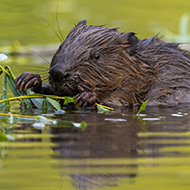
Beavers are a ‘keystone species’, and have a highly positive impact on their environment, bringing benefits to both nature and people. The species was hunted to extinction in the 16th century for its fur, meat and scent glands, which led to the loss of the mosaic of lakes, meres, mires, tarns, and boggy places they were instrumental in creating.
Harry Barton, chief executive of Devon Wildlife Trust, called for a sensible approach to managing the beaver guidance:
“Our long-term studies demonstrate how spectacularly beneficial beavers are for healthy rivers, creating vital wetland habitat, and helping landscapes adapt to climate change," he said. "It’s a relief that Government has listened to the public and moved forward with these protections, which provide communities across the country with opportunities to benefit from these remarkable creatures
“The legal framework must complement practical and sensible approaches to management. Landowners must also be given the right support and financial motivations to make space for beavers and the valuable wetlands they create.”
Beavers are a ‘keystone species’ and have a highly positive impact on their environment, bringing benefits to both nature and people.
The species was hunted to extinction in the 16th century for its fur, meat and scent glands, and led to the loss of the mosaic of lakes, meres, mires, tarns, and boggy places they were instrumental in creating.


 Veterinary practices are being urged to help owners safely dispose of any unused and expired pet medicines - not just antibiotics - during November's Animal Medicines Amnesty.



