


Vets welcome glue trap ban
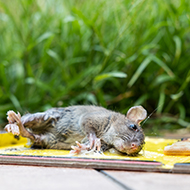
Glue traps can cause immense suffering to animals.
British Veterinary Association (BVA) president Justine Shotton has welcomed a new Bill banning rodent glue traps, which passed its Third Reading in Parliament on Monday (26 April).
The new Glue Traps (Offences) Bill follows a campaign by the BVA and a host of animal protection organisations to see an end to the use of these traps, which can cause immense suffering to animals, including pets and other wildlife.
Ms Shotton said: “We welcome the news that this bill has passed its third reading and will mean that these cruel glue traps can no longer be used by the general public.
“Along with other animal protection and research organisations, we campaigned for a ban on the widespread use of these traps, which do not kill a trapped animal immediately and can lead to hours of agony and suffering, so are pleased this will be put into motion.”
Having passed its final reading, the Bill will now go for Royal Assent, meaning the general public can no longer use the traps. However, Ms Shotton expressed concern that it still enables pest controllers to apply for licences.
“We are disappointed that this new Bill falls short of an outright ban and only puts restrictions on the general public,” she said. “We are keen to see the greater detail of the licensing scheme as we are concerned that, as the pest control industry is shockingly still unregulated, anyone calling themselves a ‘pest controller’ will be able to gain a licence and continue to use these traps in an irresponsible way.
“It’s also crucial that if these licences are granted, that enforced user training and strict rules around monitoring the traps are also implemented to ensure no trapped animals are subjected to prolonged suffering and non-target animals are freed quickly.”


 Veterinary practices are being urged to help owners safely dispose of any unused and expired pet medicines - not just antibiotics - during November's Animal Medicines Amnesty.



