


DNA study offers fresh insights into pig muscle growth
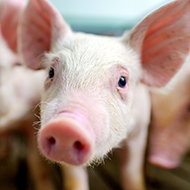
The findings could be used to predict muscle growth in developing pigs.
New research revealing insights into pig muscle development could lead to new tools to inform breeding selection.
The findings are published in G3: Genes, Genomes, Genetics by a team from the Roslin Institute and the Centre for Tropical Livestock Genetics and Health.
In the study, researchers analysed DNA in frozen tissue samples from muscle in piglets at various stages of development. Through this, they were able to pinpoint regions of DNA that control activity in genes linked to muscle growth and study activity in these genes.
The scientists noted variations in regions of DNA between small and large piglets, suggesting a difference in how DNA is regulated, which subsequently governs muscle growth between large and small piglets.
It is hoped the findings could help to predict muscle growth in developing pigs, to produce litters with fewer very small piglets. The improved knowledge could also underpin research into other areas of pigs' development, health and welfare.
Looking ahead, the team hopes to identify variations in the genetic code of pigs associated with growth and better understand how these differences regulate the activity of genes involved in muscle development to inform pig breeding programmes.
They also hope to apply their method of analysing frozen tissue to investigate how the genetic code of livestock controls their characteristics. The use of frozen tissues samples can also help to limit the number of animals used for research.
Dr Emily Clark, from the Roslin Institute, explains: “Pigs are widely farmed and it is important that we understand their biology, including detailed knowledge of their genetic code. Our findings help to improve understanding of the pig genome and will support further research to aid breeding selection programmes.”


 Veterinary practices are being urged to help owners safely dispose of any unused and expired pet medicines - not just antibiotics - during November's Animal Medicines Amnesty.



