


Future of EMS debated at RCVS Stakeholder meeting
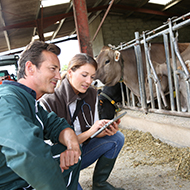
"Our task ahead will be to develop a future model for EMS that addresses the obstacles that many students face when completing their placements" - Dr Sue Paterson.
Representatives from across the veterinary profession gathered in Central London on Monday (22 November) to discuss the future of Extra-Mural Studies (EMS).
Veterinary educators, employers, veterinary students and new graduate representatives were among those in attendance at the RCVS EMS Stakeholder Meeting, which considered the current challenges of EMS and the impacts they could have on students’ studies and early work experiences.
Amongst the challenges discussed included the annual increase in vet student numbers, meaning a higher demand for EMS placements and problems in some students accessing specific placements. The group also spoke about the financial impacts of undertaking 38 weeks of unpaid EMS placements.
Several students and newly-qualified vets shared their positive experiences of EMS and how their placements had enabled them to work in an array of different environments.
RCVS President Dr Kate Richards and RCVS education committee chair Dr Sue Paterson spoke about how EMS helps to improve the confidence of veterinary students and prepares them for their first role as a vet.
The benefits to veterinary practices were also discussed, with many practices outlining how they have used EMS placements to recruit new team members. However, some speakers said that delivering EMS placements in-person is becoming increasingly challenging in light of the impact of the pandemic and staff shortages.
The day culminated with a workshop in which attendees were split into groups to discuss several proposed future models for EMS, including:
- An enhanced, outcomes-based quality assured EMS experience, with the potential to reduce the number of weeks of EMS required to help meet the demand for places.
- A model where formal and structured EMS placement plans are provided for all students to access at different times in the programme, which gives students the chance to practise their skills and consolidate their learning.
- Create more initiatives that increase the availability of EMS placements and the number of workplaces offering EMS by encouraging and providing incentives for workplaces to offer placements for students.
- Brand new ideas for an approach to EMS, or something in its place. During this session, delegates were encouraged to put forward their own ideas for what the future of EMS could look like.
“I want to thank everyone for sharing their stories of positive EMS experiences, as well as the challenges encountered. Our task ahead will be to develop a future model for EMS that addresses the obstacles that many students face when completing their placements, whilst also preserving the positive aspects of EMS that many students and practices alike have benefited from.”


 Companies marketing medicines for small pets exempt from authorisation must submit their annual return to the Veterinary Medicines Directorate (VMD) by 30 November 2026.



