


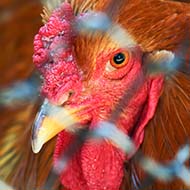
“We encourage keepers across the UK to implement strong biosecurity practices now" - UK's CVOs.
The UK’s four chief veterinary officers have released a joint statement calling on poultry keepers to act now to reduce the risk of avian influenza this winter.
While the UK was recently declared free from avian flu, there have been 26 outbreaks in poultry and captive birds in the last year, and more than 300 outbreaks in wild birds.
The joint statement reads: “Avian flu is a continued threat to all poultry keepers, and as winter approaches we need to be ready for the increased risk of disease that migrating birds pose to our flocks.
“We encourage keepers across the UK to implement strong biosecurity practices now, including regular shed maintenance checks, cleaning and disinfecting footwear and signing up for our email and text alerts. Making these tasks a regular fixture of your disease control plans now will make a significant difference in the fight against avian flu this winter and for years to come.”
With winter approaching, the risk of migratory wild birds infecting domestic poultry increases, making it critical for poultry farmers and bird keepers to improve biosecurity standards.
To mitigate the impact of avian flu in the UK, vets are urging poultry keepers to regularly clean and disinfect any hard surfaces, keep chickens and turkey separate from ducks and geese, and contact regular maintenance checks on their sheds. Other measures include drawing up contingency plans for storing bedding and dealing with pests and putting fencing around outdoor areas where birds are allowed.
British Hen Welfare Trust founder Jane Howorth also called on those that keep hens as pets to prepare for the winter months:
“For those of us that enjoy keeping a few pet hens in our gardens, now is the time to start gearing up to protect them during the migration season when avian flu becomes more of a threat,” she said. “It’s no more taxing than having to book any other family pet in for an annual health check, but is so important both for the safety of your own birds as well as that of the national commercial flock.”


 Veterinary practices are being urged to help owners safely dispose of any unused and expired pet medicines - not just antibiotics - during November's Animal Medicines Amnesty.



