


Asian hornet spotted in Berkshire
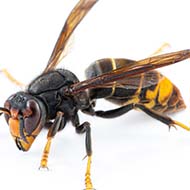
(Caption here)
Defra is asking beekeepers and members of the public in the Berkshire area to remain vigilant after an Asian hornet was spotted in the Ascot area.
The sighting has been confirmed by the National Bee Unit, and the vicinity is being monitored for any further Asian hornets.
This is the first confirmed UK sighting in over a year – with the most recent confirmed sighting occurring in Gosport, Hampshire in September 2020.
Nicola Spence, Defra's Chief Plant and Bee Officer, commented: “While the Asian hornet poses no greater risk to human health than other wasps or hornets, we recognise the damage they can cause to honey bee colonies and other beneficial insects.
“By ensuring we are alerted to possible sightings as early as possible, we can take swift and effective action to stamp out the threat posed by Asian hornets.
“That’s why we are working at speed to locate and investigate any nests in the area following this confirmed sighting.”
Defra has said that anyone who suspects that they have seen an Asian hornet should report it using the phone app 'Asian Hornet Watch', using this online report form or emailing alertnonnative@ceh.ac.uk.
Identification guides, along with further information, are available here, and Defra is advising members of the public to ensure that they do not approach or disturb a nest, as Asian hornets are not generally aggressive towards humans, but can become aggressive when they perceive a threat to their nest.
Nicola added: “Please continue to look out for any Asian hornets and if you think you’ve spotted one, report your sighting through the Asian hornet app or online.”


 Veterinary practices are being urged to help owners safely dispose of any unused and expired pet medicines - not just antibiotics - during November's Animal Medicines Amnesty.



