


Swine flu development could advance human treatments
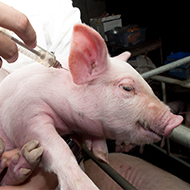
The pig antibodies could enable a greater understanding of how flu viruses evolve.
Scientists at The Pirbright Institute have generated the first pig antibodies against swine influenza (flu) that protect against reinfection and recognise the same parts of the flu virus as human antibodies.
Their findings, published in PLOS Pathogens, suggest they could be used to develop and assess human antibody therapies and their delivery methods. The pig antibodies could also enable a greater understanding of how flu viruses evolve and inform decisions about annual flu vaccine selection.
In the study, Pirbright worked with the University of Oxford, The Francis Crick Institute and The Pirbright Livestock Antibody Hub to generate the first pig antibodies in the laboratory (called monoclonal antibodies or mAbs) that target the influenza virus.
The mAbs recognise the same two main sites of the flu virus haemagglutinin protein targeted by human antibodies, and were found to be just as effective at neutralising the swine flu strain that caused the 2009 pandemic.
The findings show that pig mAbs are more closely matched to human antibodies and could, therefore, improve the reliability of human vaccine selection.
Dr Elma Tchilian, mucosal immunology group leader at Pirbright, said: “This demonstrates that pigs and humans, which are both natural hosts for influenza viruses, generate very similar immune responses.”
Professor John Hammond, leader of The Pirbright Livestock Antibody Hub, added: “These results are a fantastic demonstration of how The Pirbright Livestock Antibody Hub can promote the use of new tools and methods, providing the opportunity to examine detailed antibody responses to inform the next generation of vaccines and therapies. This work reinforces the use of pigs as powerful model to predict human responses in infection and vaccination.”


 Veterinary practices are being urged to help owners safely dispose of any unused and expired pet medicines - not just antibiotics - during November's Animal Medicines Amnesty.



