


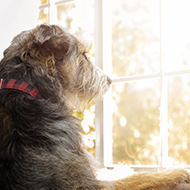
“It's important to think ahead and begin to make gradual changes.”
Following the Prime Minister's announcement of the roadmap out of lockdown, the RSPCA is encouraging pet owners to start taking steps to help their dogs adjust to normal life again.
Sarah Tapsell, one of the RSPCA’s regional clinical animal behaviourists, said: “You may have changed your routine with your dog if you are home more.
"Times for feeding, playing, walking and attention may all be slightly different. Your dog may be getting more or less of these things than before depending on the changes in your schedule.
“Changes in routine are something a dog can adapt to, but it is important to think ahead and begin to make gradual changes before you change your routine again when you go back to work. Otherwise, when things change again suddenly, it may come as a shock to your dog, even if they handled it well before COVID-19.
The charity recommends gradually changing a dog's routine to match as closely as possible with what its routine will be like after lockdown. This includes slowly adjusting location and length of walks and feeding times. As well as limiting periods of play and interaction to those times when the owner would normally be available, such as after dinner or in the evening.
“Remember that your dog is a social animal, it is normal for them to want and need to spend time with you” Ms Tapsell continued. “This means that it is important that you aren’t leaving your dog for too long during the day, or longer than they can cope with. Any dog left too long will struggle, with or without good advice to help them to cope.”
For more information please visit the RSPCA's COVID-19 hub.


 Eligible members of BEVA will be able to vote for their Council team until Monday, 17 August 2026. Members will have received an election email on 17 July.



