


Largest ever survey into farmer wellbeing launched
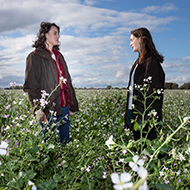
"By initiating frank and honest conversations, I believe we can begin to 'normalise' our vulnerabilities." Alicia Chivers, RABI.
The Royal Agricultural Benevolent Institute (RABI) has launched a new survey which aims to assess the impact of “increasingly complex challenges” within the sector on people's mental and physical wellbeing, as well as their businesses.
The largest ever survey of it's kind, the Big Farming Survey aims to achieve 26,000 responses from people in the farming sector in England and Wales.
Chief executive Alicia Chivers said: “RABI is acutely aware of the mounting pressures in the sector. To serve our community effectively, we require a greater understanding of how these factors affect daily life which is why we’ve launched the Big Farming Survey.
“Setting the ambitious goal of 26,000 responses will ensure we can build the most comprehensive picture of life in agriculture today.
“The research will enable us to formulate more effective tools and support strategies to enhance farmer wellbeing now and into the future.”
The survey has been developed in partnership with the Centre for Rural Research at the University of Exeter, along with key stakeholders and partners from the agricultural industry.
It forms part of RABI's five-year strategy that will help the charity to reach a wider audience and support the wellbeing of everyone in the farming sector.
Ms Chivers continued: “There is growing awareness that there are some fundamental wellbeing issues in farming that need to be better understood and addressed.
“We are working with a range of partners so that we can develop effective, preventative services that fulfil the needs of farming people and make a valuable difference.”
The Big Farming Survey takes 15 minutes to complete and is open to all farmers, farm workers, spouses and adult-aged children.
The survey runs until 31 March 2021 and can be completed by clicking here.


 Veterinary practices are being urged to help owners safely dispose of any unused and expired pet medicines - not just antibiotics - during November's Animal Medicines Amnesty.



