


Government permits emergency use of neonicotinoid thiamethoxam to control sugar beet virus.
A petition has been launched after farmers were given the go-ahead to use a bee-harming pesticide for the treatment of sugar beet seed in England.
Following pressure from the National Farmers Union (NFU), the UK Government has authorised the emergency use of a product containing neonicotinoid thiamethoxam to protect crops from Beets Yellows virus.
The move comes just two years after the European Union voted in favour of a near-total ban on the use of neonicotinoids due to their effect on pollinators – and a UK government pledge to support the restrictions.
Wildlife Trusts
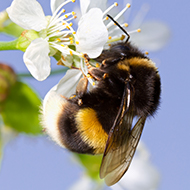
Wildlife campaigners have opposed the decision, arguing that neonicotinoids are a significant risk to the environment, particularly to bees and other pollinators.
In a series of Twitter posts, the Wildlife Trusts said: 'The Government has bowed to pressure from the National Farmers Union to agree the use of a highly damaging pesticide - neonicotinoid thiamethoxam - for the treatment of sugar beet seed in response to beet yellows virus.
'The Government know the clear harm that neonicotinoid pesticides cause to bees and other pollinators and just 3 years ago supported restrictions on them across the European Union.'
It added: 'Insects perform vital roles such as pollination of crops and wildflowers, and nutrient recycling, but so many have suffered drastic declines. Evidence suggests we’ve lost at least 50% of insects since 1970, and 41% of all insect species are now 'threatened with extinction.'
NFU response
NFU sugar board chairman Michael Sly said that he was relieved that the application had been granted and that the sector was working 'as quickly as possible' to find a solution to the disease.
“Any treatment will be used in a limited and controlled way on sugar beet – a non-flowering crop – and only when the scientific threshold has been independently judged to have been met,” he said.
“Virus Yellows disease is having an unprecedented impact on Britain’s sugar beet crop, with some growers experiencing yield losses of up to 80 per cent, and this authorisation is desperately needed to fight this disease. It will be crucial in ensuring that Britain’s sugar beet growers continue to have viable farm businesses.”
EU-wide ban
There is currently an EU-wide ban on the use of three neonicotinoids - clothianidin, imidacloprid and thiamethoxam - on crops that are attractive to bees. The decision followed research by the European Food Safety Authority, which found that most uses of neonicotinoid pesticides pose a threat to bee species.
In 2018, Mr Gove announced his support for the measure, saying: "The weight of evidence now shows the risks neonicotinoids pose to our environment, particularly to the bees and other pollinators which play such a key part in our £100 billion food industry, is greater than previously understood.
“I believe this justifies further restrictions on their use. We cannot afford to put our pollinator populations at risk.”
At the time of writing, the petition calling on the government to reverse its decision on neonicotinoids had garnered more than 108,000 signatures.


 Companies marketing medicines for small pets exempt from authorisation must submit their annual return to the Veterinary Medicines Directorate (VMD) by 30 November 2026.



