


Vets identify gene responsible for feline tooth resorption
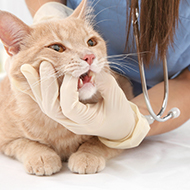
The discovery follows an analysis of genetic material recovered from the teeth of 11 cats.
A team of vets at the University of Edinburgh's Royal (Dick) School of Veterinary Studies say they have identified a gene responsible for causing feline tooth resorption - a common condition estimated to affect 20 to 60 per cent of all cats.
The discovery follows an analysis of genetic material recovered from the teeth of 11 cats, with permission of the animals' owners. Vets found more than 1,000 genes that had been active in teeth where resorption had occurred and therefore might be involved in the process.
The team concentrated on one particular gene - the MMP9 gene - which produces a protein commonly found in areas of damaged tissue. In experiments using two different techniques to prevent activity in the gene, both approaches prevented the biological processes associated with tooth resorption.
Researchers say their findings, published in Scientific Reports, suggest that the MMP9 gene, and the protein it generates, are involved in causing tooth resorption. Blocking the action of this particular gene could, therefore, prevent the cell processes that lead to disease, they write.
Dr Seungmee Lee from the Royal (Dick) School of Veterinary Studies, explains: “This is a painful condition which affects virtually all mature cats, and currently there is no effective way to manage the disease other than removing affected teeth. By examining genes involved in the process it seems that if we stop the activity of the MMP9 gene, we may be able to prevent the condition from developing.”
Currently, there are no treatments for tooth resorption other than extracting the affected teeth. Researchers say their discovery could inform new treatments for this condition and may also have implications for other conditions, such as the role of MMP9 in bone diseases.


 A nationwide roadshow offering free, personalised parasite risk assessments and flea and tick checks will be visiting popular dog events across the UK.



