


Breeding for resistance may control bTB in Africa – study
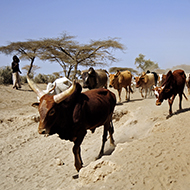
Breeding for resistance could help to control bTB in Africa.
Breeding for resistance to tuberculosis (bTB) may help to control the disease in Africa, according to new research.
Writing in the journal Frontiers in Genetics, researchers describe their study in which they compared the DNA of 212 cattle in Cameroon, of which 153 had tested positive for Mycobacterium bovis, the bacteria that cause bTB.
The study revealed that some of these animals’ genetic makeup conferred a higher level of resistance against bTB. Researchers also found that while there were clusters of animals that differed in their resistance to bTB, there were no apparent differences between breeds.
Dr Rebecca Callaby from the Centre of Tropical Livestock Genetics and Health (CTLGH) and the Roslin Institute, said: “Our results suggest that resistance to bTB is not necessarily linked to a specific breed of cattle and that resistance to this disease is probably influenced by more than one gene.
“We hope with further research we will better understand the factors underlying bTB resistance to help to breed healthier cattle and subsequently improve the lives of smallholders in Africa.”
Tuberculosis is estimated to infect an estimated 70,000 people ever year in Africa. In Cameroon, the prevalence is rising and, with no effective vaccine or treatment, breeding for resistance for bTB could help to control the disease.
Selective breeding has already been implemented in other countries, including the UK, where the dairy industry recently introduced a genetic evaluation index that enables farmers and breeders to select Holstein dairy bulls with greater bTB resistance.


 Veterinary practices are being urged to help owners safely dispose of any unused and expired pet medicines - not just antibiotics - during November's Animal Medicines Amnesty.



