


Pirbright partners on projects to develop PRRS vaccines
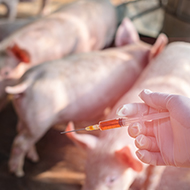
PRRSV is responsible for one of the most damaging diseases to the global pig industry.
The Pirbright Institute has announced that it is joining forces with ECO Animal Health and The Vaccine Group (TVG) in two projects to develop new vaccines for porcine respiratory and reproductive syndrome virus (PRRSC).
PRRSV (type-1 and type -2) is responsible for one of the most damaging diseases to the global pig industry, costing pig farmers in Europe an estimated € 1.5 billion a year and those in the US some $600 million.
The first project will see Pirbirght test two vaccine candidates that use TVG's vaccine technology to assess their effectiveness at tackling PRRSV in pigs. The vaccines are created by using TVG technology to insert non-infectious conserved PRRSV genes supplied by Pirbright into a benign herpesvirus, which then stimulates the immune system when delivered into animals.
Professor Simon Graham, group leader of PRRS Immunology at The Pirbright Institute said, said: “This is an exciting project that takes a novel approach to addressing the urgent requirement for improved vaccines to combat the global spread of PRRSV.”
Associate Professor Dr Michael Jarvis, TVG founder and chief scientific officer, said: “This is an exciting opportunity that brings together critical basic science and translational expertise towards addressing this major infectious disease in pigs. As PRRSV is a member of the Nidovirus group of viruses, a group that also contains SARS-CoV-2, what we learn from development of a PRRSV vaccine may also help inform our development of a vaccine against SARS-CoV-2.”
In the second project, Pirbright will work with ECO to develop a significantly improved killed vaccine over 18 months. The team will generate modified PRRSV strains and then inactivate them to create vaccine candidates.
Dr Hafid Benchaoui, head of global R&D at the ECO Animal Health Group added: “ECO Animal Health recognises the significant, ongoing challenge that PRRSV poses for pig producers all over the world. This collaboration with The Pirbright Institute and The Vaccine Group leverages the deep scientific expertise of The Pirbright Institute and The Vaccine Group’s novel herpesvirus vector technology in an exciting new approach to PRRSV vaccination.”


 Companies marketing medicines for small pets exempt from authorisation must submit their annual return to the Veterinary Medicines Directorate (VMD) by 30 November 2026.



