


Survey seeks views on enzootic abortion of ewes
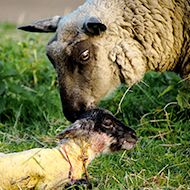
"Once EAE is in a flock, it is incredibly frustrating and expensive to deal with" - Dr Fiona Lovatt.
A nationwide survey has been launched to capture farmers' experiences of enzootic abortion of ewes (EAE).
Supported by the National Sheep Association, the survey seeks to assess the on-farm experiences of EAE, the most commonly diagnosed cause of abortion in UK sheep.
It also aims to assess the important role of vaccination before tupping to help prevent unnecessary lamb losses and the inappropriate use of antibiotics.
Sheep veterinary consultant, Dr Fiona Lovatt, said: “I find it so frustrating that, unless a flock has been well advised from the start and is already vaccinating, the point that we as vets get involved is after the disease has been bought into a flock with replacements and considerable damage has already occurred.
“Once EAE is in a flock, it is incredibly frustrating and expensive to deal with. Any flock that buys in ewe replacements is at risk of EAE and should be using vaccination to protect the flock."
She continued: “Ideally, they will also lamb all replacements separately for their first year. EAE is definitely a disease where a sensible vaccination program makes huge sense – for two very compelling reasons – both financial as well as from the point of view of responsible medicine use.”
Caused by Chlamydia abortus, EAE is estimated to cost the UK sheep industry up to £20 million every year. A report conducted by the APHA/SRUC revealed that 42 per cent of all diagnosed abortion cases in the first quarter of 2020 were attributed to EAE.
The survey is being launched during Ceva’s ‘For Flock’s Sake – Vaccinate!’ campaign which aims to raise awareness of EAE among veterinary practices and farmers, as well as highlight the importance of vaccination.


 Veterinary practices are being urged to help owners safely dispose of any unused and expired pet medicines - not just antibiotics - during November's Animal Medicines Amnesty.



