


Vet students will be among the first in the UK to return to campus.
The University of Nottingham is planning on having veterinary students return to its Sutton Bonington campus in July following the coronavirus lockdown.
In a press release, the university said a full package of practical health and safety measures had been implemented across its veterinary school building and accommodation to meet social-distancing guidelines.
It plans on staggering student arrival times, with face-to-face teaching taking place in small groups from Monday 27 July. Students will also be kept in 'bubbles' for their teaching sessions to avoid exposure to larger groups of people.
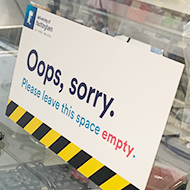
Furthermore, the university is asking students to arrive with only one other person to assist with moving to reduce the numbers of people on campus. Students will live in cluster flats that will be treated as a single household.
Professor Gary England, Dean of the School of Veterinary Medicine and Science, said: “We have missed being on campus with our students tremendously during the coronavirus lockdown and we are excited to be welcoming this cohort to Sutton Bonington in July.
“The health and safety of our students and staff has remained our top priority and has been at the heart of our planning process. Colleagues from across the university have been working intensively on the intricate detail required to ensure that adequate social distancing and hygiene measures are in place to allow this first step in a return to campus.”
The 150 returning students are from the School of Veterinary Medicine and Science's first-ever April cohort, following the school's ambitious move to become the first vet school in the UK to operate a dual-intake system.
They will be some of the first veterinary students in the UK to return to face-to-face teaching after the coronavirus lockdown forced all universities to switch to online learning in March.
The practical sessions will form part of a blended approach to learning, with other lectures and tutorial support continuing to be delivered remotely to reduce the number of students in teaching buildings at any one time.
Student Caelyn Millar, who joined the School in April, said: “I knew being part of the first April cohort in the UK would mean that my university experience was going to be unconventional, but nobody expected what changes the Coronavirus would bring.
“Despite all these challenges, Nottingham Vet School has been fantastic and from day one I have felt like part of their community. I feel really positive about my future at Nottingham and I cannot wait to get down there!”
Image (C) University of Nottingham.


 Veterinary practices are being urged to help owners safely dispose of any unused and expired pet medicines - not just antibiotics - during November's Animal Medicines Amnesty.



