


WHO calls for stricter regulations on wet markets
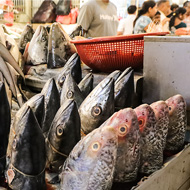
Wet markets are a common sight throughout Asia.
World Health Organization (WHO) director-general Dr Tedros Adhanom Ghebreyesus has called for 'stringent food safety standards' when wet markets are allowed to open again.
Speaking at a COVID-19 briefing on Friday (17 April), he also said that governments must rigorously enforce bans on the sale and trade of wildlife for food.
It is a widely-held belief that the COVID-19 crisis originated in a wet market in Wuhan, China. Wet markets are a common sight throughout Asia, selling an array of fresh produce, meat and sometimes live animals.
BBC News reports that the WHO is working with UN bodies to develop guidance on the safe operation of wet markets, which are a vital source of income and affordable food for millions of people. In many places, however, wet markets are poorly regulated and maintained.
"WHO's position is that when these markets are allowed to reopen it should only be on the condition that they conform to stringent food safety and hygiene standards," said Dr Tedros. "Governments must rigorously enforce bans on the sale and trade of wildlife for food."
He continued: "Because an estimated 70 per cent of all new viruses come from animals, we also work together closely [with the World Organization for Animal Health and the Food and Agricultural Organization, FAO, of the United Nations] to understand and prevent pathogens crossing from animals to humans."
As the COVID-19 death toll continues to rise, there have been growing calls for a global ban on wet markets because of their potential to spread disease. Among these include international Animal welfare charity Born Free, which is calling on the WHO for a more robust position and further clarity on bans.
“Born Free welcomes the statement from Dr Tedros Adhanom Ghebreyesus, Director-General of the World Health Organisation (WHO), urging Governments to rigorously enforce bans on the sale and trade of wildlife for food in response to the COVID-19 pandemic,” said Born Free's head of policy, Dr Mark Jones.
“However, if we are to prevent future pandemics, we must go much further and implement the kind of transformative changes to our relationship with wildlife that will truly start to heal the damage we are causing to the planet’s biodiversity.
“We, therefore, urge the WHO to work alongside governments and other intergovernmental organisations to ban wildlife markets and bring an end to the commercial wildlife trade, alongside intensive and rigorous enforcement and measures to protect and enhance wildlife habitats, so as to halt and reverse the devastating declines in the natural world that have brought a million species to the brink of extinction and threaten the future of wildlife and humanity alike.”


 Veterinary practices are being urged to help owners safely dispose of any unused and expired pet medicines - not just antibiotics - during November's Animal Medicines Amnesty.



