


Findings could improve treatment of immune disorders
Teams from the Universities of Bristol and Reading have discovered that baby boy’s and girl’s immune systems respond differently to prebiotics and probiotics, contradicting previous evidence that the differences in immunity begin during puberty.
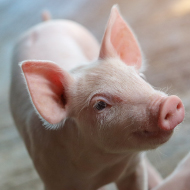
The research, which was conducted using 28-day-old piglets, revealed that, depending on their sex, they produced vastly varying levels of immune cells, antibodies and other immune-associated molecules.
It was also found that the prebiotic inulin significantly increases the number of regulatory T-cells – the cells responsible for controlling immune responses – in male guts, but this was not the case in female guts.
Principal investigator Dr Marie Lewis, lecturer in gut immunology and microbiology at the University of Reading said: “Currently, studies looking at the effectiveness of dietary supplements on the immune system assume that the same thing happens in boys and girls. But we show this is not the case and that sex may be influencing data on the effectiveness of probiotics and prebiotics in infanthood."
Dr Lewis also speculated that these findings may lead to differences in designing treatments for immune disorders for infant girls and boys.
“In the future, we could find that specific probiotics or prebiotics are more beneficial for girls, whilst others could generate better health outcomes for boys.
“Given the underlying differences in immune development we identified between boys and girls, taking sex into account could provide a simple means to improve the effectiveness of pharmaceutics and other therapies which act on the immune system."


 Eligible members of BEVA will be able to vote for their Council team until Monday, 17 August 2026. Members will have received an election email on 17 July.



