


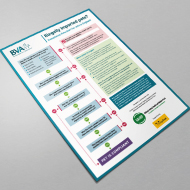
Flowchart provides guidance on how to report suspected cases
A new resource to help veterinary surgeons identify and report pets they believe may have been imported illegally has been launched by the British Veterinary Association (BVA).
The resource - a compliance flowchart - provides information on what veterinary surgeons should consider when a client brings their pet in for its first check-up. It also provides guidance on navigating client confidentiality, how to report concerns of illegal imports and an overview of how local authorities are likely to respond.
It comes in response to a recent Voice of the Veterinary Profession Survey which found vets are finding it ‘difficult’ or ‘very difficult’ to report concerns to Trading Standards. Other concerns raised were a lack or proof or sufficient evidence to investigate, breaching client confidentiality and uncertainty about how to report suspicions.
BVA president Daniella Dos Santos said: “Veterinary teams can often be the first to suspect that an animal may have been illegally imported when an owner takes their pet for its first check-up. But our surveys have identified a compelling need for clearly defined routes and mechanisms for vets to more easily report suspected cases of illegal import.
“Our flow chart and supporting guidance aim to empower vets to report any such cases, thus helping to tackle the scourge of illegal importation and protecting animal welfare, both of the imported dogs and the larger canine population in the UK. I would encourage veterinary teams to put up the poster in their practices and use it to help report any suspicions to relevant authorities with ease.”
The resource has been launched in collaboration with the National Animal Health and Welfare Panel with support from Dogs Trust.
NAHWP contingency planning lead John Chaplin said: “Vets are often in the front line when it comes to identifying suspect illegal imports and the recent BVA survey has highlighted a lack of clarity on how any concerns can be reported. Local authorities are tasked with responding to potential breaches of the pet passport rules and work closely with the Animal and Plant Health Agency to quickly respond to all suspect cases.
“Dealing with a client whilst trying to understand the rules can be a difficult and complex process, however, the guidance and flowchart formulated in partnership with BVA will provide a useful tool to enable vets to quickly identify and report concerns.”


 Veterinary practices are being urged to help owners safely dispose of any unused and expired pet medicines - not just antibiotics - during November's Animal Medicines Amnesty.



