
Your data on MRCVSonline
The nature of the services provided by Vision Media means that we might obtain certain information about you.
Please read our Data Protection and Privacy Policy for details.

In addition, (with your consent) some parts of our website may store a 'cookie' in your browser for the purposes of
functionality or performance monitoring.
Click here to manage your settings.
If you would like to forward this story on to a friend, simply fill in the form below and click send.

Your friend's email:
Your email:
Your name:
 
 
Send Cancel

Bayer issues warning over fake Seresto collars
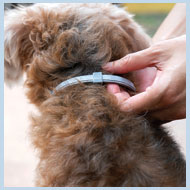
Bayer says the Seresto collar has become a prime target for fraudsters.
Vets urged to help identify and report counterfeits 

Bayer is making vets aware of a growing problem with counterfeit Seresto flea and tick collars. The company has released a video to help vets identify the illegal products.

The Seresto collar promises to protect pets from fleas and ticks for up to eight months, but Bayer says it has become a prime target for fraudsters.

“It is something we have been dealing with on a smaller scale for a while, but is becoming a more prominent problem with the increasing popularity of the product in the UK,” said Hannah Watts, senior brand manager for the product.

“Illegal products are damaging for everyone: for companies who invest heavily in bringing safe, efficacious products to market only for them to be undersold, for pet owners who waste money buying illegal products that don’t work, and for pets who receive treatments and preventatives that do not promote their health, but instead may even pose a risk to it.”

The company has launched a campaign to educate pet owners on where to buy the product safely. It says vets can play a key role in helping to stamp out the illegal products, by identifying and reporting the fake collars when they come across them in consultation with pet owners.

Hannah Watts added: “We want to ensure vets are aware that counterfeit products are out there, and equip them with the knowledge to be able to identify them, particularly where a pet owner has purchased an illegal collar under the impression it is Seresto, only to experience a treatment failure, where these animals may be presented to a vet.

“It is only if we are informed about these cases, we can get to the root of the problem, and ensure more pets and their owners don’t fall victim.”

Bayer have released the following video to help vets identify fake collars:

Become a member or log in to add this story to your CPD history

New RCVS Academy courses to remove barriers in vet care

News Story 1
 The RCVS Academy has launched two courses to its new client support series, as it seeks to improve accessibility in veterinary settings.

The courses will help professionals to support assistance dog partnerships and clients with hearing loss.

The Hearing loss and Assistance dogs courses saw RCVS project lead Catherine Hemingway collaborate with the British Deaf Association and Assistance Dogs UK. Vets will gain practical guidance on supporting clients with additional needs.

Each course takes an hour to complete, and can be accessed by RCVS registrants for free. 

Click here for more...
News Shorts
APHA launches free virtual work experience programme

The Animal and Plant Health Agency (APHA), in collaboration with Springpod, has launched a free virtual work experience programme, giving young people across the UK the chance to explore careers dedicated to protecting animal and plant health.

The on-demand programme offers a unique insight into career opportunities within APHA, showcasing how students can contribute to tackling some of the UK's most critical biosecurity and environmental challenges.

Designed for students aged 13 and over, the course includes more than 10 hours of engaging content featuring real-life industry insights, scenario-based challenges, and practical guidance on applying for jobs. To register for the course, visit the APHA website.

