


Equine viral arteritis confirmed in Devon
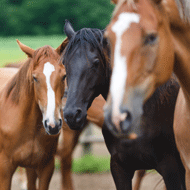
“A full investigation is continuing to determine the source and possible spread of the infection." (Stock photo)
Defra has confirmed a case of equine viral arteritis (EVA) in a non-thoroughbred stallion on a premises in Devon.
The horse had close epidemiological links with a premises in Dorset, where the disease was confirmed in three stallions in April.
Restrictions on breeding have been placed on the affected animal to reduce the risk of disease spreading.
Chief veterinary officer Christine Middlemiss said: “A full investigation is continuing to determine the source and possible spread of the infection. Owners of mares and stallions are urged to have their animals tested before they are used for breeding.
“These findings remind us that we must all be vigilant for signs of disease and follow strict biosecurity measures.”
Defra advises the following measures to prevent the spread of EVA:
- following the Horserace Betting Levy Board Code of Practice
- testing animals before they are used for breeding
- considering vaccinating stallions against the disease
- practising good biosecurity.
EVA is a notifiable disease in all stallions, and in mares that have been mated or inseminated in the previous 14 days. Any suspected cases must be reported to APHA immediately by calling the Defra Rural Services helpline on 03000 200 301. There is no risk to public health.


 Veterinary practices are being urged to help owners safely dispose of any unused and expired pet medicines - not just antibiotics - during November's Animal Medicines Amnesty.



