


Snakes need space to fully stretch their bodies - study
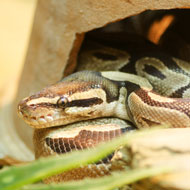
"For decades, caged snakes have literally had almost no room to move - now there should be no room for such abuse” - Cliffard Warwick.
New research has concluded that snakes should not be confined to enclosures that prevent them from fully stretching their bodies.
The study, published in the Journal of Veterinary Behaviour, conducted research at eight UK zoos and reviewed around 100 publications on snake welfare, biology and caging.
During 60-minute observation periods at the zoos, researchers observed 37 per cent of snakes adopting straight or near-straight-line postures. The authors conclude that such behaviour confirms that snakes do utilise and need considerable space as part of their normal lifestyles.
‘Spatial deprivations routinely imposed on snakes would be unacceptable for any other vertebrate species, and while larger enclosures may represent significant inconveniences for many snake breeders and keepers, current common approaches to accommodation for many snakes are scientifically and ethically unjustifiable,’ the authors write.
‘Other than for short-term confinement such as clinical or essential transportation purposes snakes should not be held in enclosures with dimensions that do not permit these animals to fully extend their bodies, including both horizontally and vertically where semi-arboreal or arboreal species are involved.’
The study comes four months after new animal welfare licensing regulations came into force covering the sale of pet snakes. The legislation was compiled by stakeholders who agreed snakes should be kept in containers at least the length of their bodies.
But while the provision had been included in the draft guidelines for almost a year, it was reportedly pulled following a complaint made by a veterinary clinic associated with the pet trade. Leading veterinary surgeons, biologists and animal welfare organisations highly criticised the move and issued a call for the rule to be reinstated.
“The findings of this study will come as no surprise to advanced herpetologists, zoo managers, veterinarians or conscientious keepers familiar with snake biological and husbandry needs - not least given that many already practice or surpass the minimal standards that we recommend,” said Clifford Warwick, reptile biologist and lead author of the study. “For decades, caged snakes have literally had almost no room to move - now there should be no room for such abuse.”
Elaine Toland, director of the Animal Protection Agency, adds: "The APA has long argued that snakes, like any other animals, need to fully stretch their bodies for their wellbeing. The tired old claims by those who peddle and keep snakes that these animals do not need spacious environments as an essential component of their welfare have been fully put to rest by this study.”


 The




