


Conservationists to work more widely with farmers
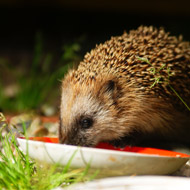
At least half of all native hedgehogs have been lost from the British countryside in the last 20 years, according to new figures.
The State of Britain’s Hedgehogs Report 2018 is published jointly by the British Hedgehog Preservation Society (BHPS) and People's Trust for Endangered Species (PTES).
It found that hedgehogs in rural areas are in sharp decline, with their numbers decreasing by around 50 per cent since the year 2000.
It is thought that pesticides, increased field sizes and intensive farming are all associated with the fall in numbers of hedgehogs in rural areas. The BHPS and the PTES are now planning to engage with the farming community to help conserve this iconic creature.
“Farmers play a vital role in producing food, but they’re also well placed to help protect, maintain and enhance our countryside,” explains Emily Wilson, hedgehog officer for Hedgehog Street, a public action campaign run by BHPS and PTES.
“The Government recently reiterated plans to reform the EU Common Agricultural Policy to reward landowners for delivering environmental benefits. Many farmers already have a sustainable approach to agriculture, and we think there’s a great opportunity to work more widely with them to stem the alarming decline of our country hedgehogs.”
The State of Britain’s Hedgehogs Report also highlights a more positive outlook for hedgehogs in urban areas. Whilst the species has fallen by a third in towns and cities since 2000, the rate of decline is slowing.
The survey also found that hedgehogs are not disappearing from urban green areas are fast as they were 15 years ago, and could even be returning. Interestingly, in some areas where hedgehogs are found, the numbers appear to be growing.


 Eligible members of BEVA will be able to vote for their Council team until Monday, 17 August 2026. Members will have received an election email on 17 July.



