


New plans for crackdown on backstreet breeding
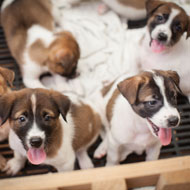
The proposals were welcomed by the RSPCA as the ‘biggest change in pet vending for 66 years’.
New proposals to crack down on backstreet breeders were outlined by Defra today (22 December).
Plans include ensuring licensed dog breeders can only sell puppies they have bred themselves and that puppies are shown with their mother before a sale is made.
Adverts, including internet adverts, will be regulated so that licensed sellers of all pets, including puppies, must include the seller’s licence number, country of origin and the pet’s country of residence in any advert.
The government is also proposing to tighten regulations, so that puppy sales are completed in the presence of the new owner, preventing online sales where the buyer has not seen the animal first.
Legislation introducing these proposals could be brought forward early in 2018.
Defra is also considering measures to tackle puppy smuggling across borders and the breeding of dogs with harmful genetic disorders.
Commenting on the reforms, Prime Minister Theresa May said: “Any unscrupulous mistreatment of animals is disturbing – so in our drive to achieve the highest animal welfare standards in the world, we continually look at what more can be done.
“The arrival of a happy, healthy puppy, as I know myself, is a memorable time for a family – but it’s absolutely right we do everything we can to eradicate animal cruelty from our society. The proposals my government is developing will be an important step forward.”
The proposals were welcomed by the RSPCA as the ‘biggest change in pet vending for 66 years’. The charity received over 4,000 calls relating to the puppy trade in England this year, compared to just under 2,000 calls in 2013.
RSPCA dog welfare expert, Lisa Hens, said: “The RSPCA has long held grave concerns for the many dogs who continue to suffer ill-health and welfare because they have been bred primarily for how they look.
“We believe that all those who breed dogs - whether pedigree, purebred or crossbreed - should prioritise health, welfare and temperament over appearance when choosing which animals to breed, in order to protect the welfare of both the parents and offspring, and welcome proposals to address this.”


 Eligible members of BEVA will be able to vote for their Council team until Monday, 17 August 2026. Members will have received an election email on 17 July.



