


Immune system ‘could aggravate BRSV’
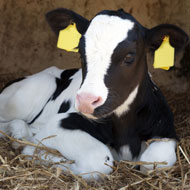
Scientists say large numbers of neutrophils contribute to some of the short term clinical signs associated with BRSV.
Immune cells designed to clear infections could worsen respiratory disease caused by bovine respiratory syncytial virus (BRSV), according to new research.
The team of international scientists behind the study are the first to simultaneously examine hundreds of proteins that are involved in the response of calves to BRSV, which infects the lungs of cattle.
Findings published in PLOS ONE suggest there is a link between the numbers of immune cells, or neutrophils, clinical signs of disease, lung tissue damage and the amount of virus in the lungs of infected calves.
It is thought that neutrophils aid the clearance of of BRSV - and the closely related human respiratory syncytial virus (HRSV) - by removing infected cells. When they appear in excessive numbers, however, they appear to have the opposite effect, releasing harmful substances that destroy the lung and block the airways.
Scientists say large numbers of neutrophils contribute to some of the short term clinical signs associated with BRSV, such as breathing problems.
An exaggerated neutrophil response can also result in longer-term effects, the study suggests. This is down to their ability to remodel lung tissue, which increases the time it takes for clinical signs to clear, even after the virus has been eliminated. In severe and early human RSV infections, it is thought that over-stimulation of neutrophils could increase the likelihood of asthma.
Dr Geraldine Taylor, honorary fellow at Pirbright Institute, said: “Our findings suggest treatments that decrease the response of neutrophils could improve clinical signs both in the short and long term.”


 Companies marketing medicines for small pets exempt from authorisation must submit their annual return to the Veterinary Medicines Directorate (VMD) by 30 November 2026.



