


Charity welcomes new puppy trade recommendations
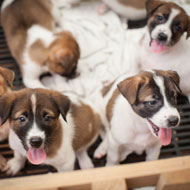
The puppy trade recommendations were made at Scotland's first K9 Conference.
A leading charity has welcomed new recommendations made by the Scottish government to tackle the illegal puppy trade.
Dogs Trust veterinary director Paula Boyden said that the recommendations could lay the groundwork for a clampdown on puppy farming - an industry that brings thousands of dogs into the country every year.
In a statement, she writes: ‘We urge the Government to improve failing pet travel legislation when the UK leaves the EU. We must increase penalties for those illegally importing puppies, carry out a significant overhaul of the pet checking system at ports and reduce the number of dogs a person can travel with.
‘We were pleased to see some of these recommendations included in the Scottish Government’s research and we urge them to push forward with these without delay.’
The recommendations were made at Scotland’s first K9 Conference, which set out to examine the impact of puppy farming on animals’ health and behaviour. Organised by the University of Edinburgh and the Scottish SPCA, the event brought together experts from across the UK and Ireland.
Opening the conference, Scottish cabinet secretary Roseanna Cunningham said that that a collaborative approach to enforcement is welcome. In her speech, she stressed that the Scottish government takes animal welfare "extremely seriously" and is "determined to crack down on animal traffickers."
“As outlined in the Programme for Government, we will work with charities and enforcement agencies to take forward the recommendations on illegal importation and sale from 'puppy farms’," she said.
During the conference, Dr Jo Williams from the University’s School of Health in Social Science presented findings from a joint research project with the Scottish SPCA.
Dr Williams said: “Our research has proven that dogs from puppy farms have more behavioural issues and are more likely to have medical conditions impacting their long-term health compared with dogs from other breeding backgrounds.”
Scottish SPCA’s head of education & policy, Gilly Mendes Ferreira, added that puppy farming is a key focus for their special investigations unit. The charity works with partners across the UK and Ireland to identify people involved.
“The conference and the research is a further step forwards working together to create a robust strategy to tackle this serious issue,” she said.
Other speakers included Mark Rafferty, chief inspector of the Scottish SPCA Special Investigations Unit; Dr Paula Boyden, veterinary director at Dogs Trust and Graeme Mutter, HM Revenue and Customs (HMRC) taskforce project lead.


 Veterinary practices are being urged to help owners safely dispose of any unused and expired pet medicines - not just antibiotics - during November's Animal Medicines Amnesty.



