


Report calls for alternatives to snares
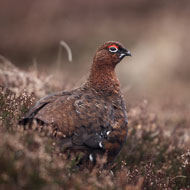
‘Glorious Twelfth’ (12 August) marks the start of the grouse shooting season.
A new report is calling for a ban on snaring and instead encourages the use of seven more humane control methods for wildlife.
The report has been released just ahead of the ‘Glorious Twelfth’ (12 August), which marks the start of the grouse shooting season. The League Against Cruel Sports says shooting estates are being ‘propped up by the widespread and unnecessary slaughter of British wildlife’, which is carried out to protect red grouse for shooting.
For the first time, the different methods of animal control have been graded for efficiency, humaneness, and how conservation-friendly they are.
Independent animal welfare consultant Dr Mark Kennedy, who carried out the research, encouraged the use of seven control methods that were rated highly in all three of the above areas. The alternatives are: shepherding, tree guards, ‘novel’ disturbances such as lights or noises, guard animals, habitat management, no control and exclusion fencing.
Other methods rated less highly in each area, but were judged to be potentially acceptable in some cases, if they were properly regulated. These are reproductive control, cage traps, shooting and flushing to guns with two dogs (exempt hunting).
However, ferreting, poison, gassing, snares and hunting (pre- 2004 ban or current illegal hunting with a full pack) are ‘clearly inhumane’. Poison, gassing and hunting are banned in the UK, but snaring and ferreting are legal.
Animal welfare organisations widely condemn snares owing to their indiscriminate nature - they can potentially catch and kill hundreds of thousands of animals a year, including foxes, badgers, hares, deer and even pet cats and dogs, the League says.
According to the charity, snares are used on 27 per cent of landholdings that host shooting, compared to 0.1 per cent of those who do not.
Commenting on the report, Philippa King, the League’s acting CEO, said: “Snares are medieval devices which inflict great suffering on huge numbers of animals, and we’ve been calling for them to be banned for a long time.
“Now we have the evidence which demolishes the shooting industry’s biggest argument in favour of them – that there is no alternative. That can no longer be an excuse – if animal control is required, there are several other methods which are more efficient, friendlier to the environment, and more humane.”


 Eligible members of BEVA will be able to vote for their Council team until Monday, 17 August 2026. Members will have received an election email on 17 July.



