


Report finds over half of strays have out-of-date contact information
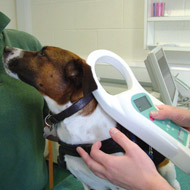
Owners are being urged to make sure their dogs are microchipped and that details are up to date as new figures reveal only 65 per cent of strays have a microchip fitted.
The report, “Microchipping where it matters most - One year on,” is the first study carried out by Battersea Dogs and Cats Home since compulsory dog microchipping came into effect.
While the charity says the figure is a ‘welcome improvement’ from 45 per cent of stray dogs chipped when Battersea ran the same survey in 2016, it falls far short of the claim made by the government earlier this year (95 per cent).
The report of some 50 Local Authorities found that of those dogs with a chip, more than 50 per cent had out-of-date contact details, meaning that owners could not be traced. The charity is now calling for Local Authorities, charities, vets and dogs owners to work together to improve this.
“Battersea’s new report shows there’s a lot more work to do to ensure pet dogs are all microchipped,” commented Battersea’s chief executive, Claire Horton.
“Clearly, there is no one silver bullet to achieve a solution but if charities, Local Authorities, vets and dog owners work together with a shared goal, and follow the recommendations made in this report, Battersea believes many more dogs could be returned home more quickly and everyone will benefit."
The Battersea report suggests some simple and practical measures for improvement. These include all vets explaining the law full to their clients and routinely offering to register or update the database on behalf of their clients.
It also calls on dog owners to ensure they update database companies of any change in their contact details and register their dog)s and its microchip(s) with a compliant database.


 Veterinary practices are being urged to help owners safely dispose of any unused and expired pet medicines - not just antibiotics - during November's Animal Medicines Amnesty.



